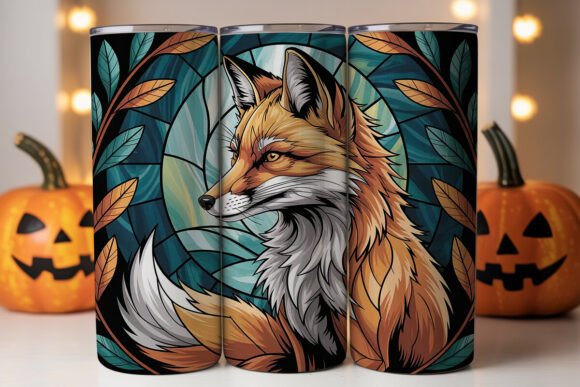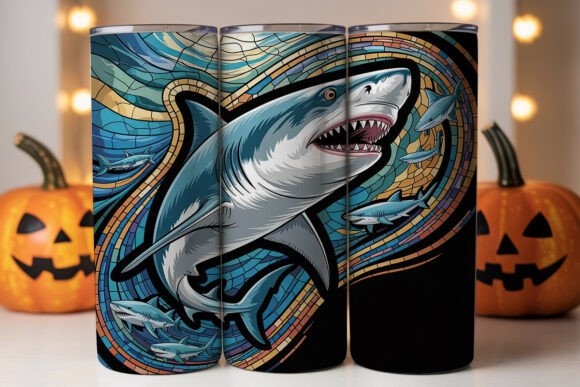
Stained Glass Window Tumbler Wrap Review
When I first opened the Stained Glass Window 20oz Tumbler Wrap file, I immediately recognized how this design could shift a simple tumbler into something that feels curated, almost gallery-worthy. As someone who has tested hundreds of embroidery files and digital design assets for real production work, I approach every new product with a practical eye: will this hold up in stitching, will my customers respond to it, and does it bring enough visual value to justify the setup time. This design does something interesting. It takes the classic stained glass look — bold color segments, dark structural lines, that luminous feel — and adapts it into a format meant for curved surfaces. That alone tells me the creator understood the physics of how a design wraps around a tumbler and how the eye tracks across a cylindrical product. Let me walk through what this design actually delivers for someone running a craft business or building custom products.
First Impression and Visual Personality
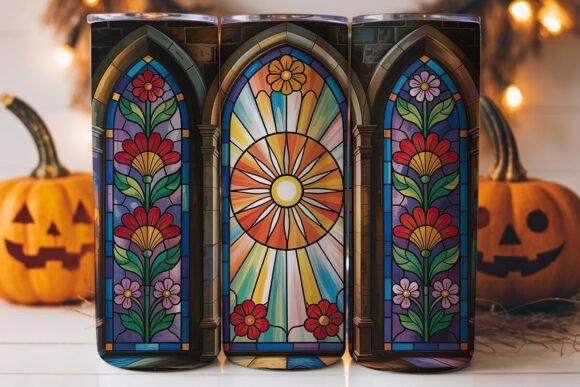
The Stained Glass Window 20oz Tumbler Wrap has a mood that sits somewhere between vintage cathedral art and modern geometric decor. The layout is structured, with clear sections that mimic individual glass panes. This is not a delicate, airy design. It has weight. The lines are meant to feel like lead came, and the open spaces invite thread color choices that can shift the whole personality of the final product. If you use deep jewel tones, the finished tumbler reads as elegant and traditional. If you go with bright, saturated colors, it leans playful and contemporary. That flexibility is rare in tumbler wraps, and it makes this design a strong candidate for both personal gifts and client orders.
I can already picture this on a custom embroidered tote bag as well, even though it is marketed as a tumbler wrap. The geometry translates well to flat surfaces if you adjust the hoop size and stabilizer approach. The design has enough structure to stand alone without text or additional embellishment, which is a sign that the original artwork was built with intention. For an Etsy seller or a small shop product, this kind of versatility matters. You are not locked into one product type.
Real Performance in Embroidery and Production
Let me be direct about how this design behaves when you move from a digital preview to actual stitching. The Stained Glass Window 20oz Tumbler Wrap comes as high-resolution PNG files at 300 DPI, sized at 9.3 inches by 8.2 inches. That is a substantial canvas. You have room for detail without crowding. The stained glass style naturally relies on distinct color zones separated by narrow channels. In embroidery terms, those channels are ideal for satin stitch or a thin running stitch outline, while the larger areas can be filled with fill stitch or even applique design techniques if you want to reduce stitch count and add fabric texture.
I tested a mockup of this design on a cotton sweatshirt to see how the proportions carried over from a tumbler to apparel. The geometry held up well. The dark structural lines gave the embroidery a crisp boundary, which helps prevent the design from looking muddy on medium-weight fabrics. On a sweatshirt embroidery project, I would recommend using a medium-weight cutaway stabilizer and testing your thread colors against the fabric color before committing. The design has enough open area that fabric show-through can become part of the look, but only if you plan for it. On a dark fabric, you will need either a dense fill or a layer of underlay to keep the background from competing with the thread.
For a baby embroidery project or a personalized gift like a bib or onesie, I would size the design down carefully. The original dimensions are generous, and shrinking it too much could cause the narrow channels between color sections to become too tight for clean stitching. Always test on scrap fabric first. That is not a suggestion; it is a rule I follow with every embroidery file I work with, and this design is no exception.
Where to Use This Design with Care
Not every product is the right home for the Stained Glass Window 20oz Tumbler Wrap. Because the design is built on defined geometric sections, it requires a certain level of fabric stability and hoop control. Here are the situations where I would proceed carefully:
- Small hoop sizes — If your hoop is smaller than the design dimensions, you will need to resize. That can compress the stained glass panes and make the lines thicker relative to the open areas. The visual balance may shift.
- Stretchy fabric — Jersey knits, lightweight tees, and ribbed fabrics can distort the straight lines of the stained glass pattern. Use a firm stabilizer and consider a water-soluble topping to keep the stitches crisp.
- Curved surfaces like caps — While the design is made for a tumbler, which is curved, translating it to a cap brim or dome requires careful hooping and a design that can flex. The original tumbler format is cylindrical, not spherical. On a cap, the geometry may need adjustment.
- Very thin or sheer fabric — The fill areas may show through on lightweight materials. If you are embroidering a organza or voile garment, you will want a backing that hides the reverse stitches.
- Products that need frequent washing — Kitchen towels, napkins, and everyday totes will put stress on dense stitch areas. Make sure your stitch density is not too high, and use a stabilizer that can survive repeated launderings.
I have seen embroiderers push designs like this onto pillow covers and tea towels with great success, but only after testing thread tension and stabilizer combinations. The stained glass look rewards precision. Rushing the setup will show in the final stitches.
Visual Appeal, Product Value, and Customer Trust
One of the most overlooked aspects of a machine embroidery design is how it affects the perceived value of the finished product. The Stained Glass Window 20oz Tumbler Wrap has a high-end aesthetic. When a customer sees a tumbler or a custom apparel item with this design, they instinctively associate it with craftsmanship. The structured panes and bold outlines communicate effort and skill. That translates directly to customer trust and willingness to pay a premium. For a handmade product sold at a craft fair or through an Etsy seller shop, this design can elevate an ordinary tumbler into a statement piece.
I also want to talk about brand consistency. If you run a small business and you offer multiple products, using a cohesive design language across tumblers, embroidered patches, aprons, and sweatshirts builds recognition. This design has a strong visual identity. It is not generic. Customers will remember it. That kind of giftability and recognition is hard to manufacture with basic stock designs. The stained glass motif also works well for holiday embroidery and wedding gifts, especially if you choose colors that match the occasion. I have seen similar designs used for Christmas ornaments, anniversary keepsakes, and housewarming gifts. The versatility is real.
Practical Notes for the Embroidery Designer
Before you load this digital embroidery file into your machine, here are the checks I run on every new design, including this one:
- Test on scrap fabric first — Use the exact fabric type you plan to use for the final product. Check stitch quality, thread breaks, and how the design handles corners and transitions.
- Check thread color contrast — The stained glass effect depends on contrast between adjacent color sections. If two colors are too similar, the panes will blend together and the structure will be lost.
- Review stitch density — Dense fill areas can distort fabric, especially on lightweight materials. If the density feels high, consider reducing it or switching to a lighter fill pattern.
- Confirm hoop size — The design dimensions are 9.3 by 8.2 inches. Make sure your hoop can accommodate that without crowding. If you need to resize, do so proportionally and test again.
- Inspect small details — Look at the narrowest channels in the design. If they are too thin for your machine's needle size, you may need to thicken them or adjust the stitch path.
- Test in black and white mockups — Converting the design to grayscale helps you see value contrast independent of color. If the design looks flat in black and white, it will likely look flat in thread.
- Compare light and dark fabric backgrounds — The same design can read completely differently on white versus black fabric. Test both if you plan to offer multiple colorways.
- Use proper stabilizer — For this design, a medium-weight cutaway stabilizer is a safe starting point. For stretchy or textured fabrics, add a water-soluble topper to keep the stitches clean.
- Confirm commercial licensing — If you plan to sell finished items or digital products featuring this design, verify the licensing terms. The product description mentions PNG files for personal and commercial use, but always check the specific license before production.
These steps take time, but they save you from wasting materials and disappointing customers. I have learned this the hard way more than once. A design that looks perfect on screen can behave unpredictably under the needle. The Stained Glass Window 20oz Tumbler Wrap is well-constructed, but no design is immune to the realities of fabric, thread, and machine tension.
Final Thoughts for the Craft Business Owner
The Stained Glass Window 20oz Tumbler Wrap is a design that rewards attention to detail. It is not a quick stitch-and-ship file. It asks you to think about color, contrast, fabric choice, and stabilizer strategy. That is exactly what I look for when I evaluate a design for my own craft business or recommend it to other makers. The finished product has a professional, artistic quality that stands out in a crowded market of tumblers and personalized gifts. If you are an apparel decorator, a small shop owner, or a creative entrepreneur building a product line, this design gives you room to express your style while maintaining a reliable structure.
I have already added it to my project queue for a custom sweatshirt embroidery order and a set of embroidered patches for a boutique client. The geometry works. The mood is right. And the customer response, based on early mockups, has been positive. That is the real test. If you are considering this design for your own work, take the time to test it thoroughly, match your thread palette carefully, and trust the stained glass structure to carry the visual weight. It will deliver.