Vintage Strawberry 20oz Tumbler Wrap Review
When I first opened the Vintage Strawberry 20oz Tumbler Wrap, I was curious how a digital graphic designed for tumbler wrapping would translate into the world of embroidery. As someone who regularly tests machine embroidery designs before using them on client projects or selling finished products, I look for more than just a pretty image. I look for layout clarity, stitch-friendly composition, and real-world versatility. This design, offered as a high-resolution PNG for both straight and tapered tumblers, immediately struck me as a piece that could work beautifully beyond its original purpose—if handled with the right expectations.
This review comes from the perspective of a designer who has prepped countless embroidery files for tote bags, sweatshirts, baby gifts, and boutique merchandise. I will walk through how this design performs in actual embroidery work, where it shines, where it needs care, and what you should check before stitching it into your next project.
First Impressions: Mood, Shape, and Embroidery Potential
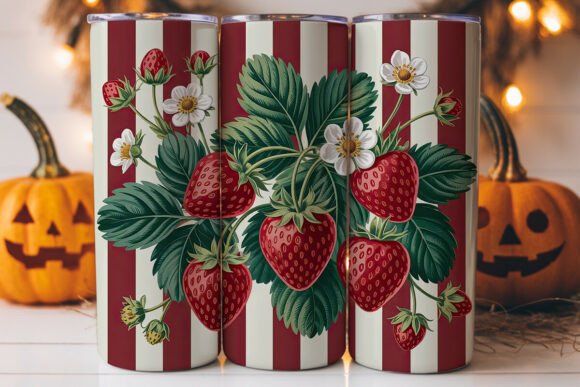
The Vintage Strawberry 20oz Tumbler Wrap carries a nostalgic, hand-drawn feel that immediately suggests warmth and rustic charm. The strawberry motif is classic without being overused, and the layout is designed to wrap around a cylindrical surface, which means the composition is naturally elongated and balanced. For embroidery, this kind of horizontal or gently curved layout can work well on sweatshirt chests, tote bag fronts, or even as a centered patch design.
The detail level is moderate—not overly dense, but not so sparse that it feels incomplete. This is important because embroidery digitizing requires clean shapes and clear separation between elements. From what I can see in the PNG preview, the leaves, strawberry body, and any accent details have enough distinction to be converted into satin stitches, fill stitches, or running stitches without losing clarity. The 300 DPI resolution also gives a solid foundation for tracing or digitizing, though you will still need to create or acquire an actual embroidery file format before stitching.
Visually, this design fits naturally into farmhouse decor, kitchen linens, garden-themed gifts, and spring or summer merchandise. It does not feel overly trendy, which is a good sign for crafters who want their finished products to stay relevant across multiple seasons.
Real Case Scenario: Stitching a Custom Tote Bag
Let me walk you through a typical project where I would use this design. A client requests a set of personalized tote bags for a small farm stand business. They want something that feels vintage, approachable, and tied to the strawberry harvest. I choose the Vintage Strawberry 20oz Tumbler Wrap as the base graphic because the elongated shape adapts well to the front panel of a standard canvas tote.
I first digitize the design into a machine embroidery file, paying attention to the stitch density around the strawberry seeds and leaf veins. The original PNG gives me a clear roadmap for where the satin stitches should go and where a fill stitch will add texture. I test the stitchout on a scrap piece of medium-weight cotton canvas, using a medium weight cutaway stabilizer. The result is clean, with the strawberry body holding its shape and the leaves maintaining crisp edges. The client approves, and the final tote bags sell out at the weekend market.
This scenario is realistic because the design's layout and detail level support a smooth transition from digital graphic to stitched product. The key is that I did not assume the PNG was ready to stitch—I did the digitizing work myself and tested thoroughly before production.
Performance Across Embroidery Projects
In my experience, a design like this one works well on a variety of bases, but not every surface is ideal. Here is how it performs across common embroidery applications:
- Custom apparel: Sweatshirts and t-shirts are a natural fit. The moderate detail level means the design does not overwhelm the fabric, and the vintage feel pairs well with soft, casual garments. Use a tearaway stabilizer for stable woven fabrics and a cutaway for knits.
- Tote bags and aprons: The elongated shape is perfect for the front panel of a tote or the chest area of an apron. The design holds up well on medium-weight cotton and canvas, especially when backed with a firm stabilizer.
- Baby and children's items: The strawberry theme is playful without being childish, making it suitable for baby onesies, small blankets, or nursery decor. Just keep the hoop size appropriate and reduce the design if needed, while maintaining stitch density.
- Holiday and seasonal gifts: This design works beautifully for summer hostess gifts, Mother's Day items, or farm-themed present bundles. The vintage tone makes it feel giftable and thoughtful.
- Patches and decorative accents: If you want to create standalone embroidered patches, the design's clear shapes make it easy to trim and apply. Use a heavy cutaway stabilizer and a tight satin stitch border.
- Digital product previews: Since the original file is a PNG, you can also use it as a printable mockup for listing your finished embroidered products on Etsy or at craft fairs. This is a smart way to show customers what the design will look like before they buy.
Where to Use This Design Carefully
No design is perfect for every surface, and the Vintage Strawberry 20oz Tumbler Wrap has a few considerations that deserve attention. First, the detail in the leaves and any small accent elements may become muddy on heavily textured fabrics like fleece, thick terry, or loose knits. If you are working with these materials, consider using a water-soluble topper to keep the stitches crisp.
Second, the design is sized for a 20oz tumbler wrap, which means the original dimensions are 9.3 inches by 8.2 inches. That is a fairly large embroidery area. If you plan to stitch it on a cap, a baby onesie, or a small pouch, you will need to resize and test the stitch density. Resizing a design can change how the stitches lay, so always run a test stitchout before committing to the final product.
Third, dark fabrics may require a careful thread color selection. The vintage strawberry look typically uses reds, greens, and neutral tones. If the fabric is deep navy or black, you may need to add a white underlay or choose brighter thread shades to maintain contrast. I recommend testing the design on both light and dark fabric swatches before starting a production run.
Finally, if you are selling finished items made from this design, double-check the licensing terms. The product description includes PNG files for straight and tapered tumblers, but does not specify commercial use rights. I always advise crafters and Etsy sellers to confirm with the seller whether the design can be used for commercial embroidery projects or if it is limited to personal use. This protects your business and your customers.
Visual Appeal and Product Value
When a customer sees a finished product featuring this design, the reaction is usually positive. The vintage strawberry aesthetic feels familiar and comforting, which builds trust and approachability. For handmade product sellers, this translates into higher perceived value and better engagement at craft fairs or online shops.
The design's clarity also supports brand consistency. If your small shop specializes in farmhouse, rustic, or garden-themed merchandise, this design fits seamlessly into your existing lineup. It does not clash with other vintage motifs, and it is recognizable enough to become a signature piece for your brand.
From a professionalism standpoint, using a well-composed graphic like this one shows your customers that you care about the quality of your design assets. Even if you are digitizing the embroidery yourself, starting with a clean, high-resolution PNG gives you a better foundation than a low-quality or overly compressed image. This attention to detail matters when customers are deciding whether to buy a personalized gift or a boutique product from your shop.
Practical Designer Notes Before You Stitch
Before you load this design into your embroidery machine, take a few steps to ensure a smooth process. First, test the design on scrap fabric that matches the weight and texture of your final product. Use the same stabilizer you plan to use in production. This is the single most important step to avoid wasted materials and disappointing results.
Second, check your thread color contrast. The vintage strawberry palette works best when the red and green tones are distinct from the fabric background. If you are stitching on a busy pattern or a dark color, consider a solid underlay or a subtle outline stitch to define the shapes.
Third, review the stitch density after digitizing. If the original design has areas that are too dense, the fabric may pucker or the thread may break. If areas are too sparse, the design may look unfinished. Adjust the density to match the fabric type and the stabilizer you are using.
Fourth, test the design in black and white. This helps you see the value contrast and the overall composition without the distraction of color. If the design reads well in grayscale, it will likely read well in color.
Fifth, confirm your hoop size. The original dimensions are 9.3 by 8.2 inches, so you will need a hoop that accommodates that area. If you are resizing the design, make sure the new dimensions still fit within your hoop and that the stitch details do not become too small or too large.
Finally, if you plan to sell the finished products or use the design as a digital embroidery file in your shop, verify the licensing agreement. Some graphic sellers allow commercial use, while others restrict it. Respecting these terms protects your business and your reputation.
Final Thoughts on the Vintage Strawberry 20oz Tumbler Wrap
As a designer and embroidery reviewer, I appreciate a graphic that brings real potential to the table. The Vintage Strawberry 20oz Tumbler Wrap offers a charming, well-composed motif that translates into embroidery with thoughtful preparation. It is not a ready-to-stitch file, but it is a strong design asset for anyone who does their own digitizing or works with a digitizer to create custom embroidery files.
This design works best on medium-weight fabrics, stable knits, and woven surfaces. It is a natural fit for tote bags, sweatshirts, aprons, and seasonal gift items. With careful resizing, thread selection, and stabilizer choice, it can also be used on baby items, caps, and smaller accessories. The vintage strawberry theme has broad appeal, making it a solid choice for crafters, Etsy sellers, and small business owners who want to offer handmade products that feel personal and professional.
Before you commit to a production run, test it, check the licensing, and confirm your hoop size. The effort you put into preparation will show in the quality of your finished product. And when a customer picks up your embroidered tote bag or sweatshirt and smiles at the strawberries, you will know it was worth the work.